

Discover more about yourself on the anti-social self-discovery network.
Writes the Neurobiography of your story.
Start nowThe feed and Stories are about you, your habits, and your invisible triggers.
The question is: what are yours?
Day · May 9
You wrote that you ‘did nothing today’ on a day that began at 6:15 and belonged to everyone but you
The feeling without a name, you call exhaustion.
By the time you notice the trigger, it has already gone off.
It becomes a thought.Comes out as a reaction.Returns as guilt.
Imagine a girl in 1993, and the sentence her report card repeated every year.
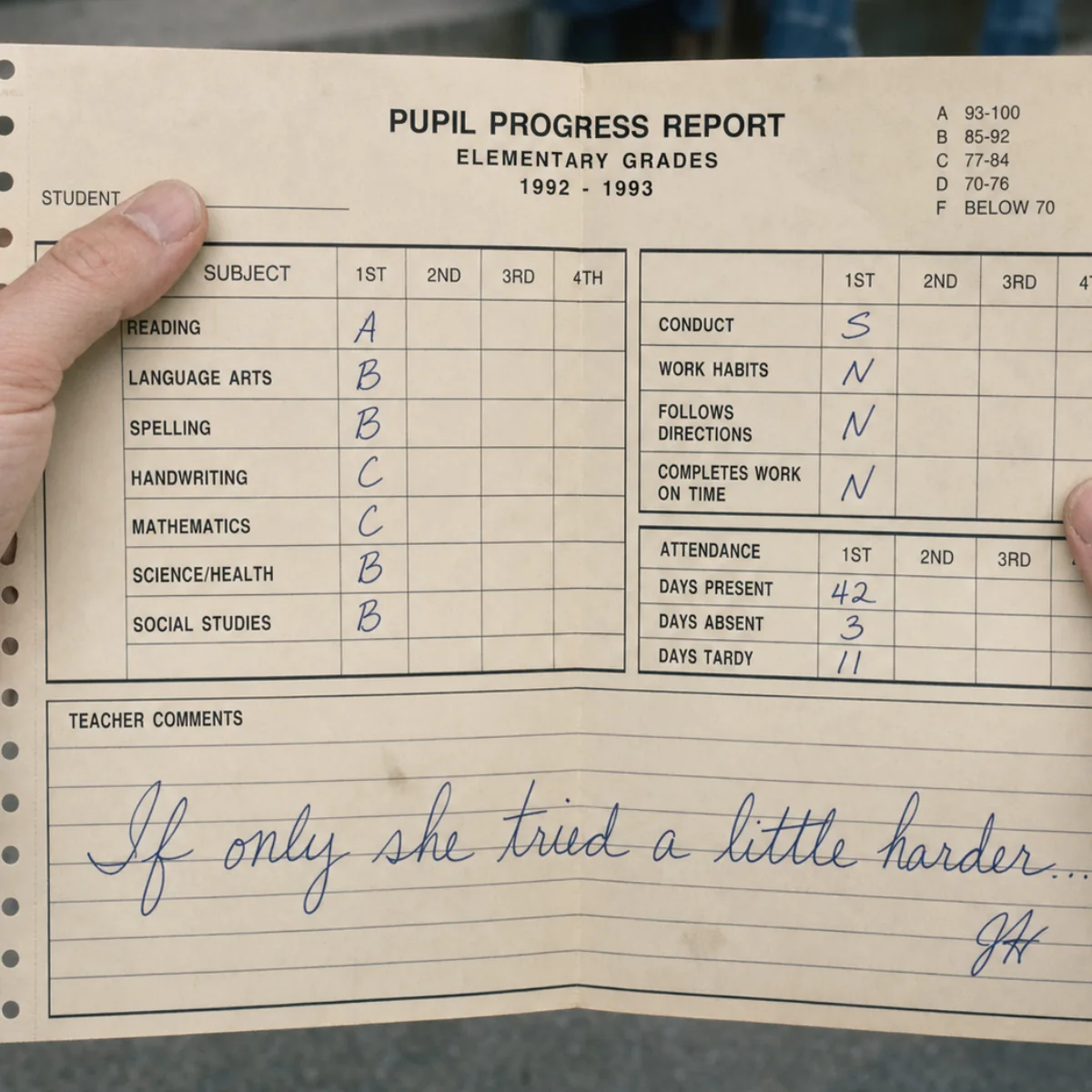
“Try a little harder.”
In 1993, a teacher wrote it.In 2006, a boss wrote it.In 2026, she writes it herself, inside her own head.
At one in the morning, she is still awake, paying for today with tomorrow's hours.
She promises tomorrow will be different.
Tomorrow, she wakes up worse.
And makes the promise again.
She calls it exhaustion.
And the worst part is not the exhaustion.
Deep down, she thinks the teacher was right.
She never added up what that sentence cost:
- She cancels plans she wanted to keep.
- She does not ask for help because she cannot explain what she needs.
- She yells at her children at 7:00 and feels guilty at 7:01.
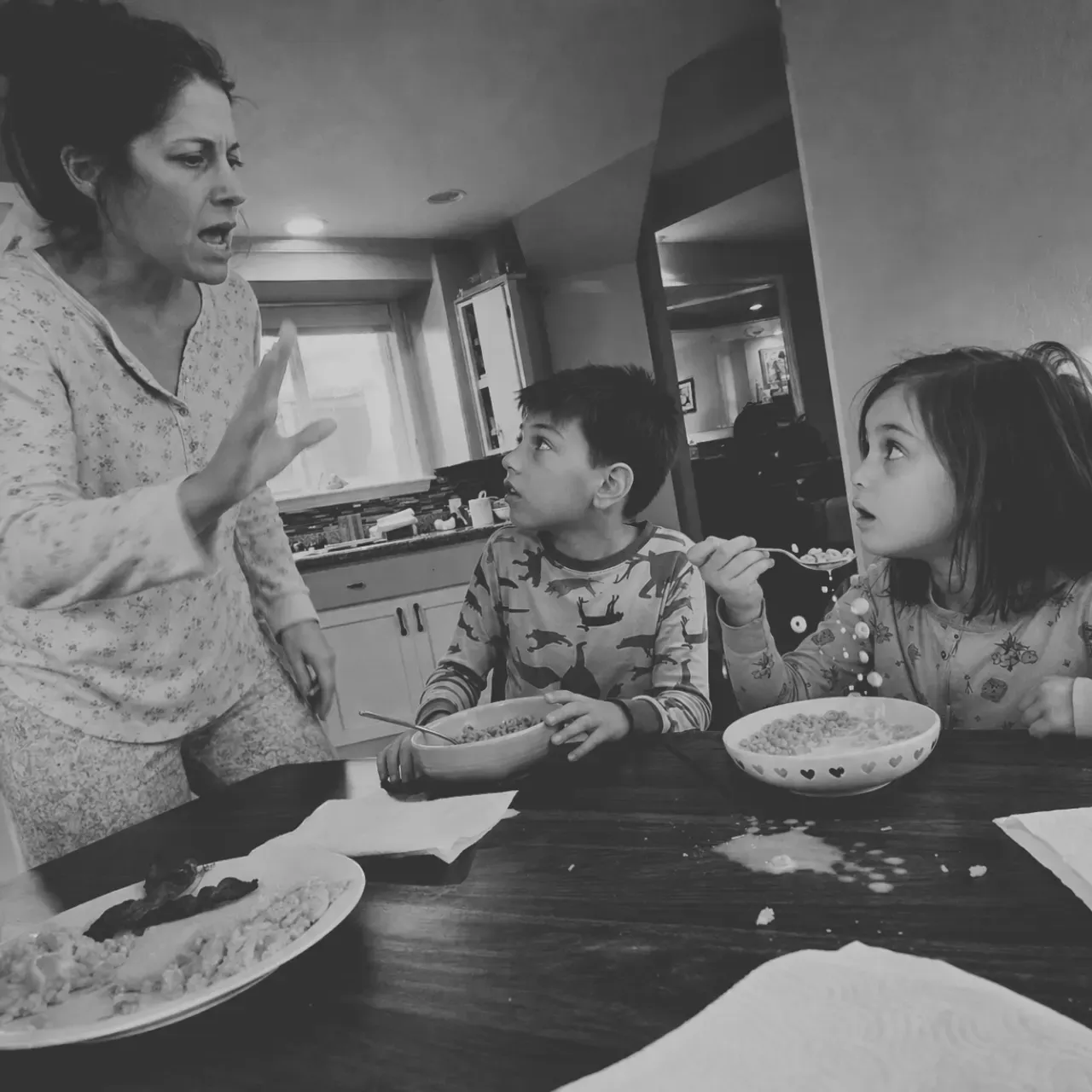
So who is?
No one in this story is to blame.
The signs were all written down.
Each year on a different piece of paper.
The problem is that no one ever stopped to put them all together.
And even if someone had put them together, half would still be missing.
There are 2 kinds of signals: biological and daily.
You may have a brain and nervous system that work differently from most people's and not know it.
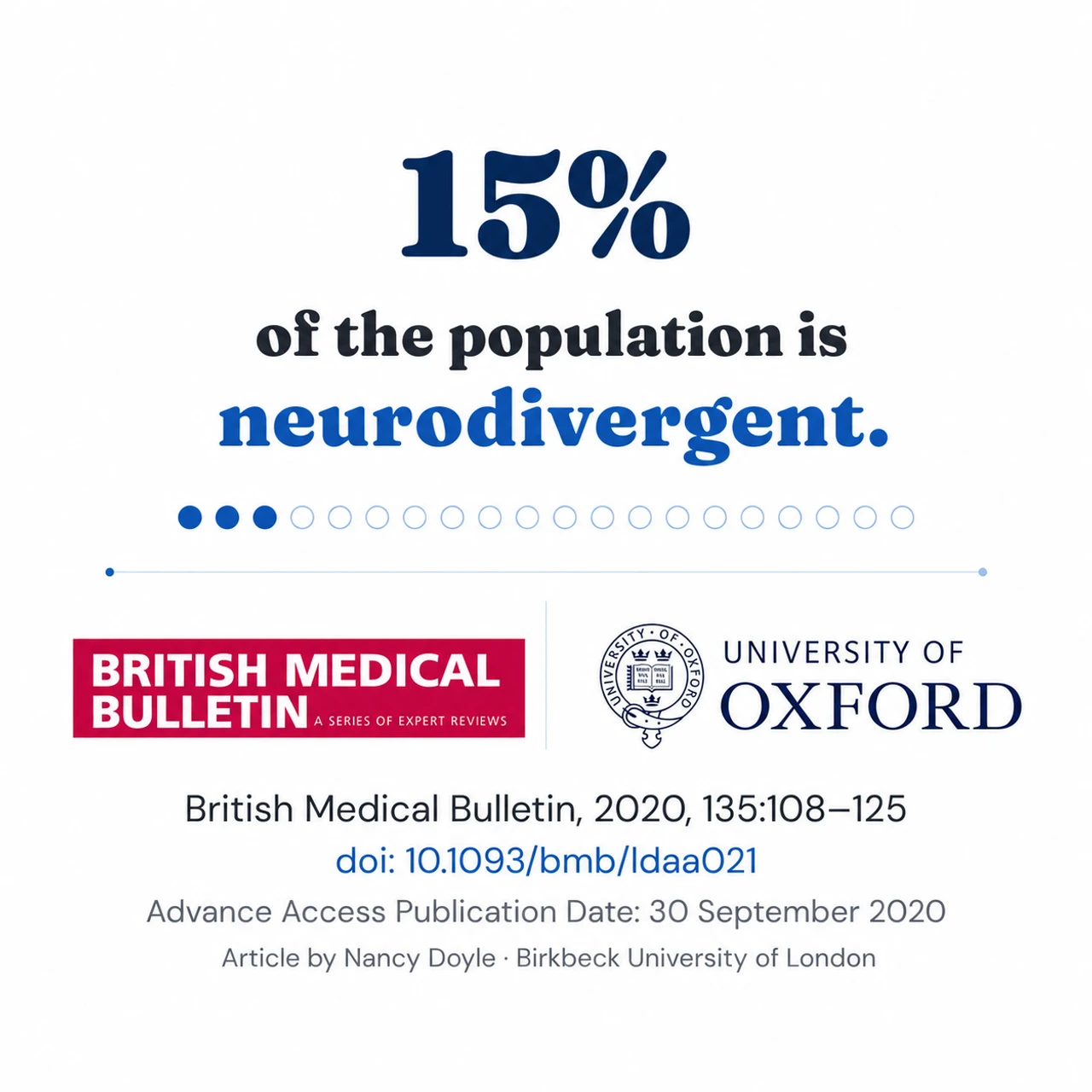
If you were born with a different brain, the world's manual was not written for you.
- That is why you cannot organize yourself like most people do;
- That is why your emotions feel so intense;
- That is why “trying a little harder” never worked.
ADHD, Autism, Giftedness, Twice-Exceptionality.You are either born with it or you are not.

The problem is not being born with a different brain.
It is that most people do not know they were born that way.
The real culprit is time.
You were born when ADHD was called laziness and autism was dismissed as being difficult.
And giftedness and twice-exceptionality? Crazy.
Now imagine your parents' time.
Back then, technology and accessible studies did not exist for most people.
The result?
August 29, 2025

Around 90% of middle-aged and older autistic adults are undiagnosed in the UK, new review finds

These very high estimates suggest that many autistic adults have never been recognized as autistic or offered the right support. This may make them more vulnerable to age-related problems such as social isolation and poorer health.

Understanding the needs of autistic people as they age is an urgent global public health concern. We need to expand social support so they can live happy and healthy lives.
You may be one of those people who went through life in the dark, never fully understanding yourself.
And worse, feeling guilty for not working like most people without knowing why.
The scientific tests you find online assess one condition and give you a label.
No person is a label.
What you have are traits.
We did not build the tests. Science already did that.
We built the Neurobiography: the map of 39 behavioral traits that teaches The Figure to decode the hidden patterns in your routine.
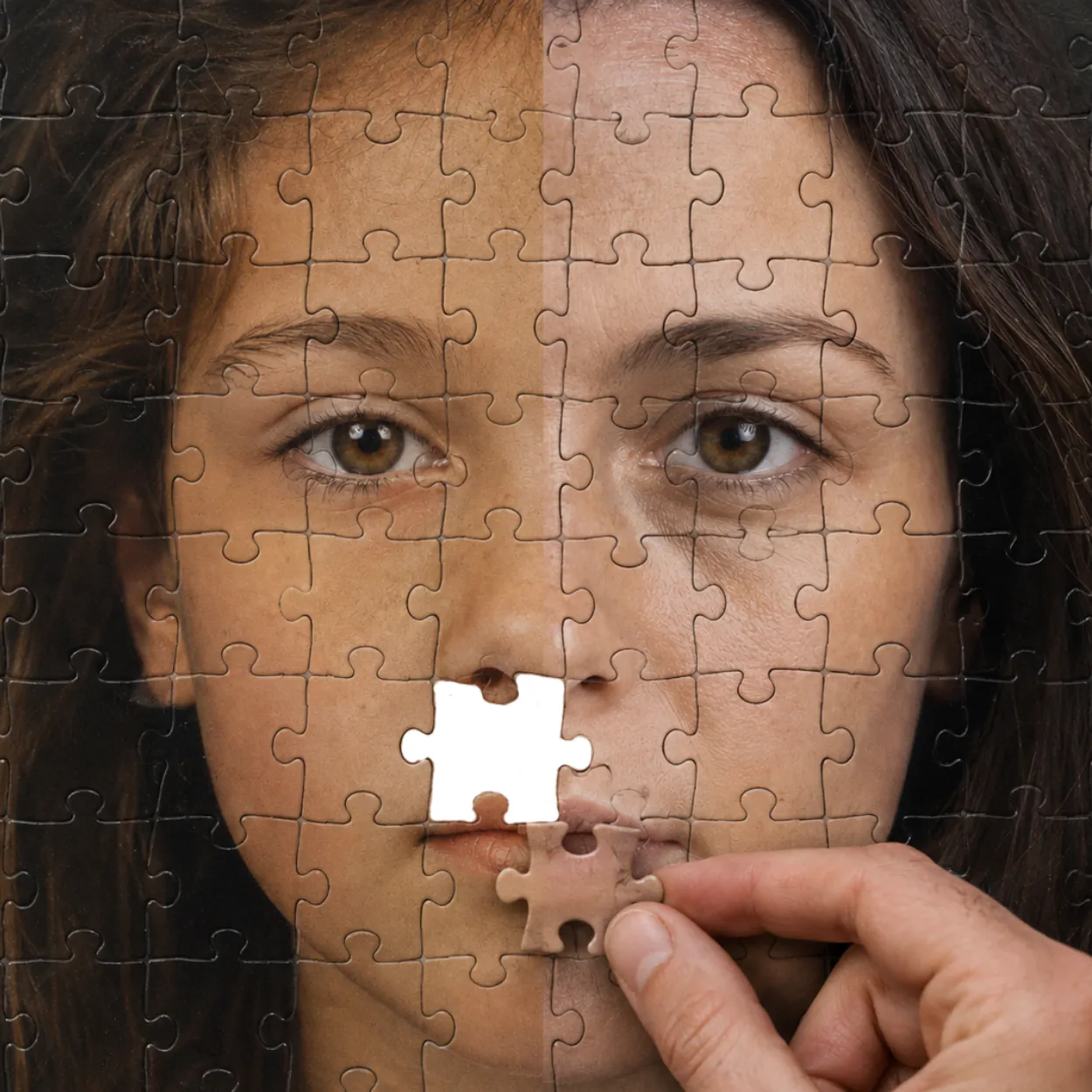
The map starts with the tests.
Most tests, when taken on their own, have a catch.
For example:
“Difficulty concentrating” is a criterion for ADHD and also for anxiety.
Someone with high anxiety checks both, and an isolated test puts it all down to ADHD.
This is called trait overlap, and it is what inflates a score.
That is why we cross-reference 6 conditions and 39 traits, then give you a range, not a number.
The higher the number, the stronger the signal. The wider the range, the less certainty.
- ADHD64-81Moderate confidence
- Part of this reading may come from anxiety.
- Autism70-82High confidence
- Giftedness48-61High confidence
- Trauma43-59Moderate confidence
- Part of this reading may come from depression.
- Anxiety58-71High confidence
- Depression29-44Moderate confidence
- Part of this reading may come from trauma.
Maps 39 behavioral traits
No serious assessment reports an exact number.
Every test has a margin of error.
The others just do not tell you what it is.
Nothing here is a diagnosis.
It is a map of indicators, detailed enough to help you understand yourself and take to a professional if you ever want to.
A man told The Figure about his day for 21 days.
On most days, he only tapped his answers.
On some days, he chose to talk.


On others, he wrote.
And on day 21, The Figure asked him this:
That was what he saw in passing.
What he understood was waiting the next morning.
Day · May 9
You wrote that you ‘did nothing today’ on a day that began at 6:15 and belonged to everyone but you
It is not a guess. It is memory.
One sentence from April, 5 days without the walk, and one day of exhaustion.
On their own, those three things say nothing.
The Figure connected them.
And what came out was a name for what he was feeling.
The mirror of your feelings
On April 29, you wrote that walking the dog the night before helped you wake up lighter.
On May 3, after everyone went to bed, you recorded the only part of the day that felt like it was yours.
That walk has not shown up in your notes since May 3.
The only thing that was yours disappeared five days before today.
Personalized memory that evolves with your answers.

The Figure can make mistakes, but it learns from them.
Each answer creates a new memory that changes the readings that follow.
Your Neurobiography is a living, personalized experience that becomes more precise as your story grows.
Your story interpreted across three timeframes: day, week, and month.
Each day holds a reading.Each week reveals a pattern.Each month forms a chapter.
And all those chapters together build your Neurobiography.
When you feel like it, you tell it about your day. It takes less than 2 minutes.About the time it takes to walk from the couch to bed.Within 7 days, your patterns start to appear.Feelings that are hard to explain get a name.And your self-care manual starts to exist.
That is how you learn the difference between a bad day and an invisible pattern running through your story.
Try it now for $1.99 for your first 7 days.

Tangled Live
What you get
- Unlimited Feed and Stories about you
- A map of 39 behavioral traits
- Your life across 3 timeframes: day, week, month
- The Figure by voice and text
$17.90
per month
Equivalent to $0.59 a day
Nothing is charged until you say yes.
You have been charged for something you forgot to cancel. That cannot happen here.
It is $1.99 for your first 7 days. On day seven, we ask if you want to continue.If you do not answer, you are not charged.

No fine print. No hidden charge.
Questions and answers
Is this a diagnosis?
No. Nothing here is a diagnosis. It is a map of indicators, detailed enough to help you understand yourself and take to a professional if you ever want to. Diagnosis is a medical act, and it stays that way.
I do not even know if I have ‘something.’ Is this for me?
You do not need to suspect anything to begin. If there are indicators, they appear with their source. If there are not, you still leave with a rare picture of how you work.
Do I need to write every day?
No. There is no streak to keep and no penalty for missing a day. The days when you do not write also say something: when a habit disappears from your notes, The Figure notices the absence.
Can The Figure make things up about me?
It does not write anything without showing where it came from. Every reading shows the day and the words behind it. And when it gets something wrong, you correct it. The correction is saved and changes the readings that follow.
Who can see what I write?
No one. There is no audience, no likes, and no public profile. What you write is encrypted and stays in your account. It is not sold or turned into ads.
Does anyone listen to my audio?
No person does. A machine makes the transcript, and the text enters your account encrypted.
How long until I see something about myself?
The tests give you a range and confidence as soon as you answer. Daily readings begin on the first day you record something. Patterns, which are where it gets interesting, need a few days of material to appear.
Do I need to install anything?
No. It works in the browser on your phone, tablet, or computer. Nothing to download.
What happens if I cancel?
Billing stops, and you keep access until the end of the period you already paid for. What you wrote stays in your account. If you come back one day, you pick up where you left off.